Japan Minimalist vs. Mid-Century Modern Interior Design: Which Fits Your Singapore Home?
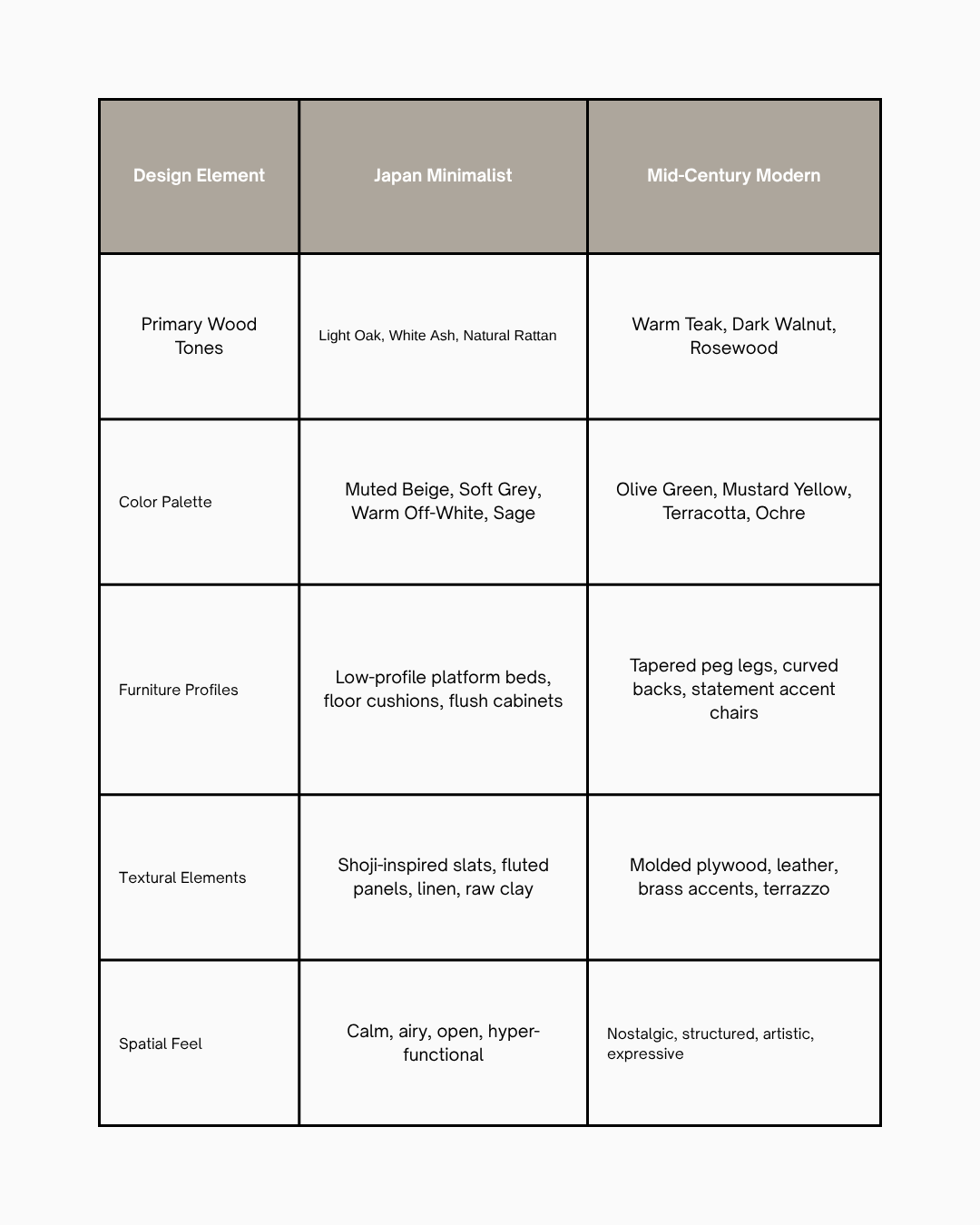
Japan Minimalist (Wabi-Sabi/Japandi) design emphasizes low-profile natural elements, muted organic tones, and clutter-free tranquility. Mid-Century Modern (MCM) focuses on bold geometric shapes, rich teak/walnut woods, iconic accent furniture, and retro color pops. For Singapore HDBs and condos, Japan Minimalist excels at making small floor plans feel serene and spacious, while Mid-Century Modern adds architectural character and timeless vintage sophistication.
Key Visual & Conceptual Differences
Understanding the core philosophy of each style helps you decide which aligns best with your lifestyle and home layout.
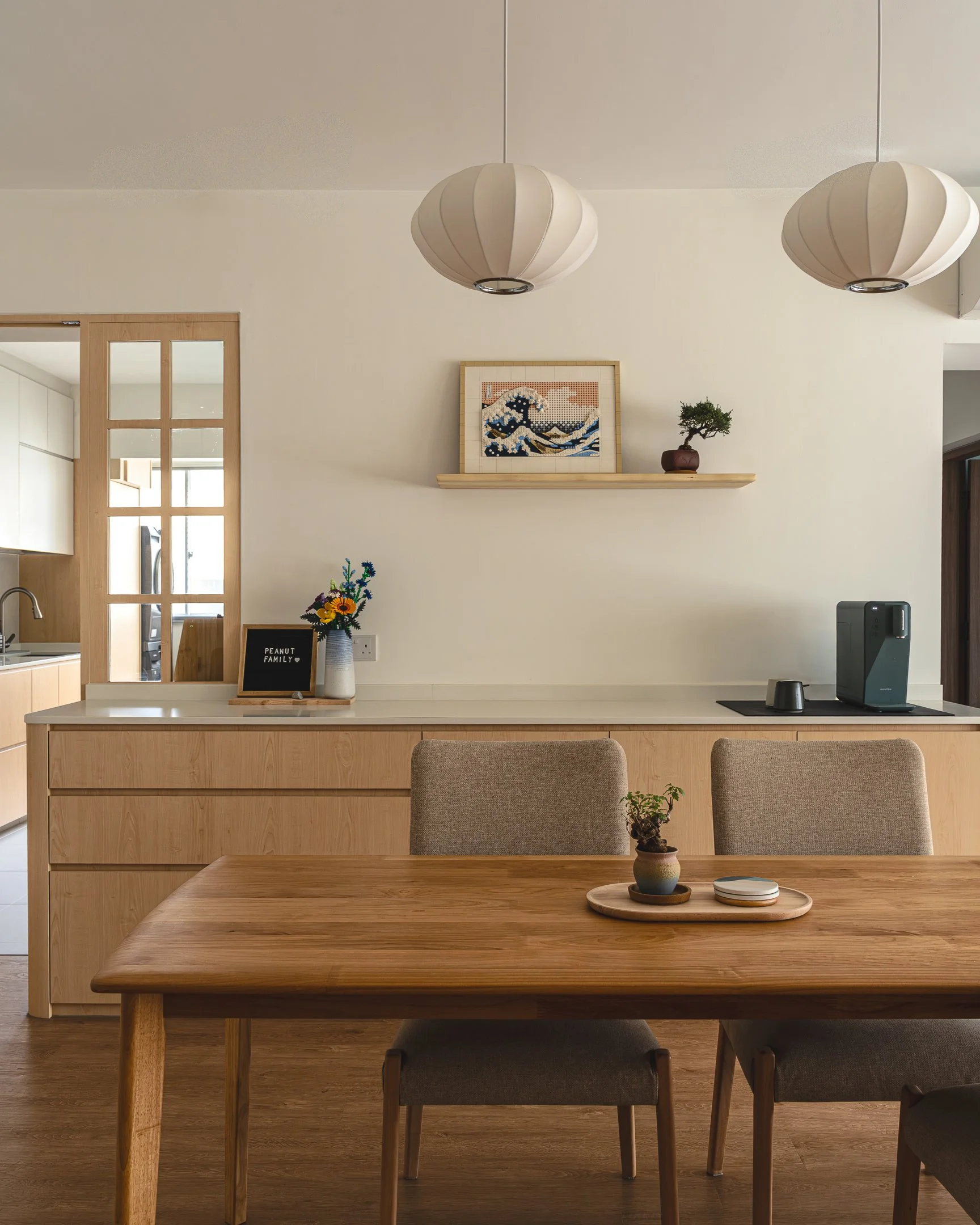
4 room BTO Japandi home design by Couple Abode.
Japan Minimalist: Grounded in Wabi-Sabi (finding beauty in imperfection and simplicity). It prioritizes clean sightlines, light oak or ash joinery, paper or slatted textures, and low-slung seating that connects the user to the floor space.
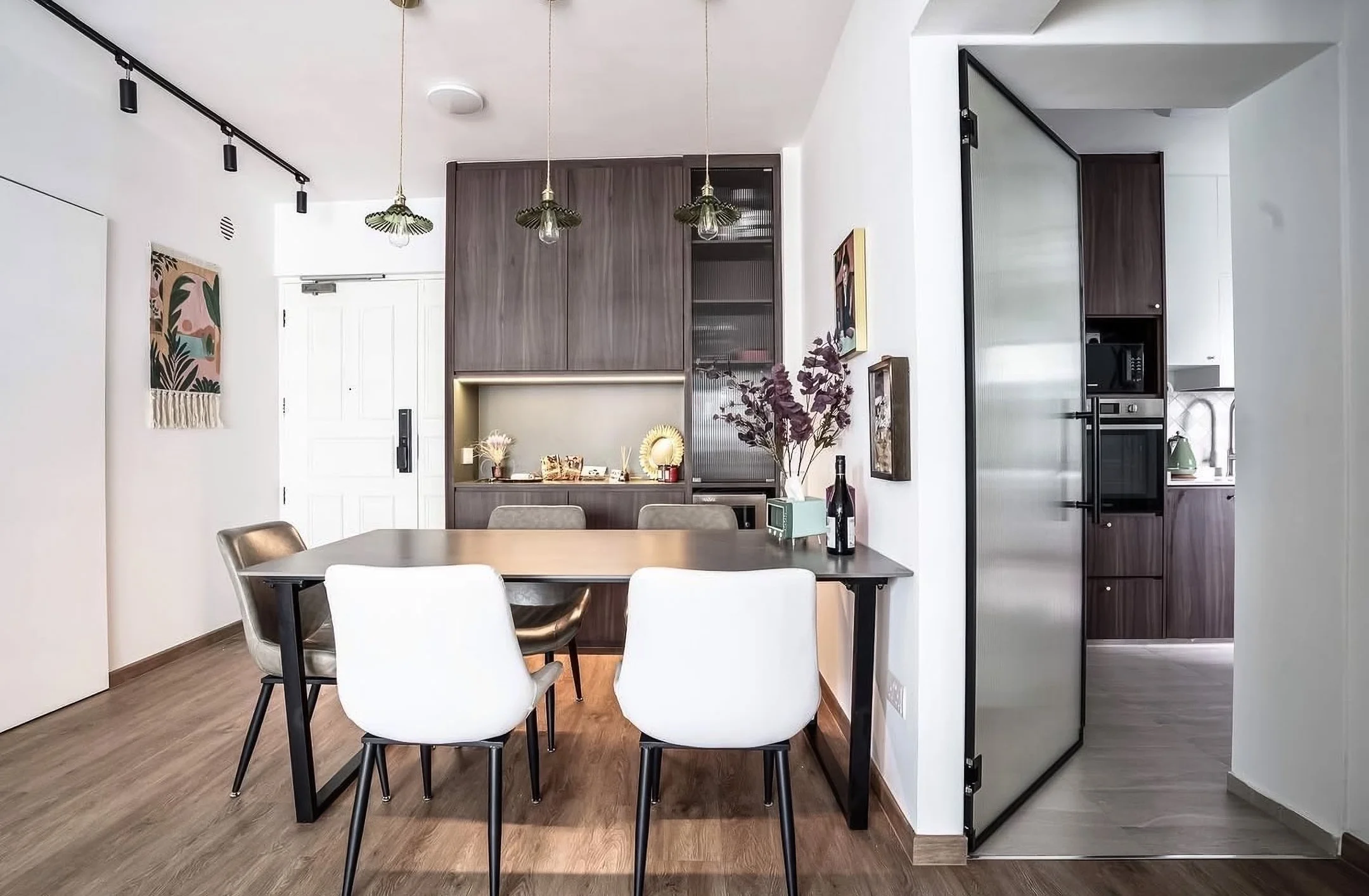
Mid Century modern 4 Room resale HDB design by Couple Abode
Mid-Century Modern: Rooted in mid-20th-century functionality and organic forms. It emphasizes tapered legs, rich dark woods like teak and walnut, bold structural furniture (such as Eames or Lounge chairs), and dynamic color accents like mustard, olive, and terracotta.
Adapting Each Style to Singapore HDBs and Condos
Japan Minimalist in Singapore Homes
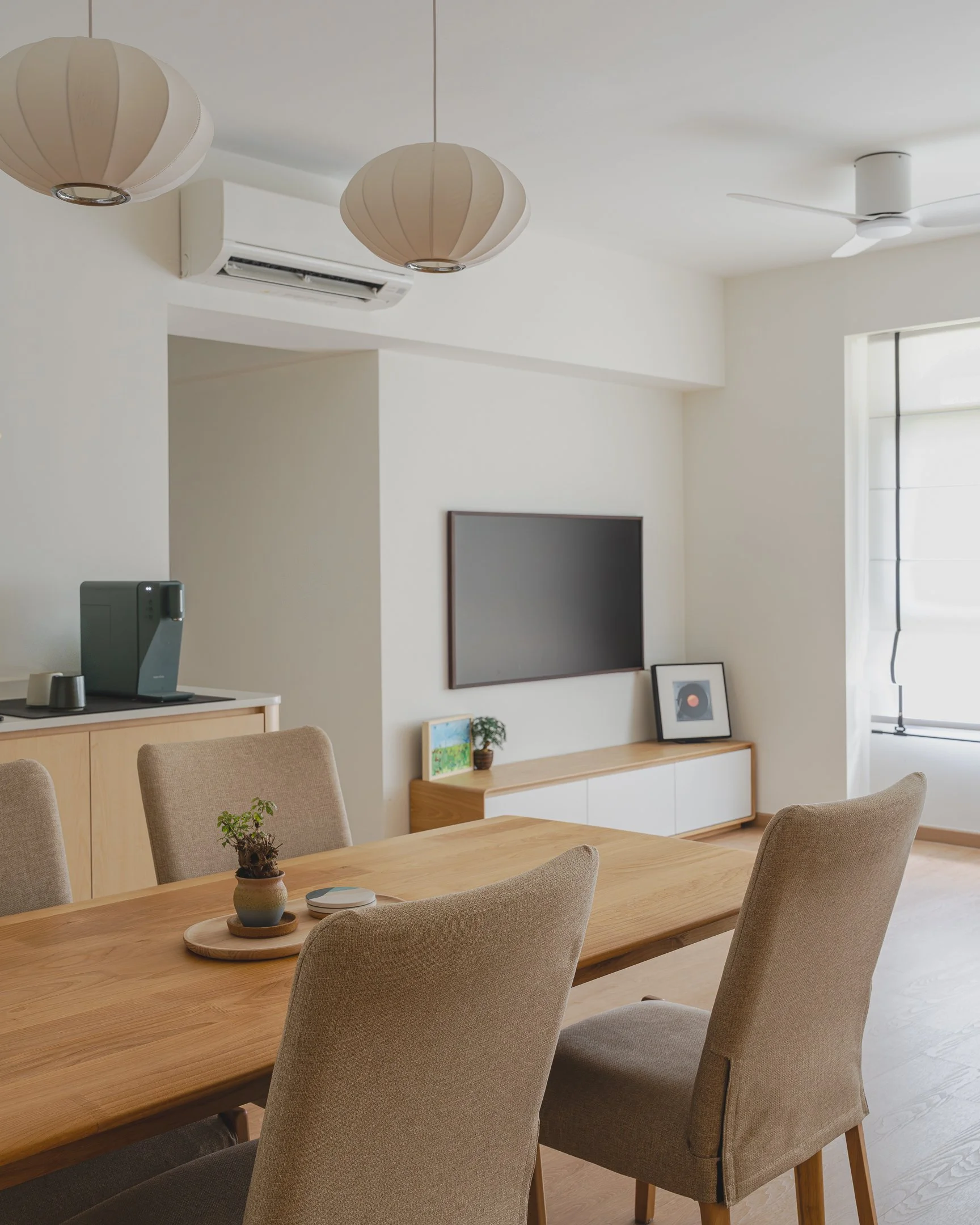
HDB Japandi theme interior design at Tengah by Couple Abode.
Small 3-room or 4-room HDB layouts benefit immensely from Japanese minimalism. By utilizing custom floor-to-ceiling cabinetry with concealed handles, light wood laminates, and platform storage beds, you eliminate visual clutter. Using glass doors or wooden slat dividers lets natural light penetrate deep into compact living rooms.
Mid-Century Modern in Singapore Homes
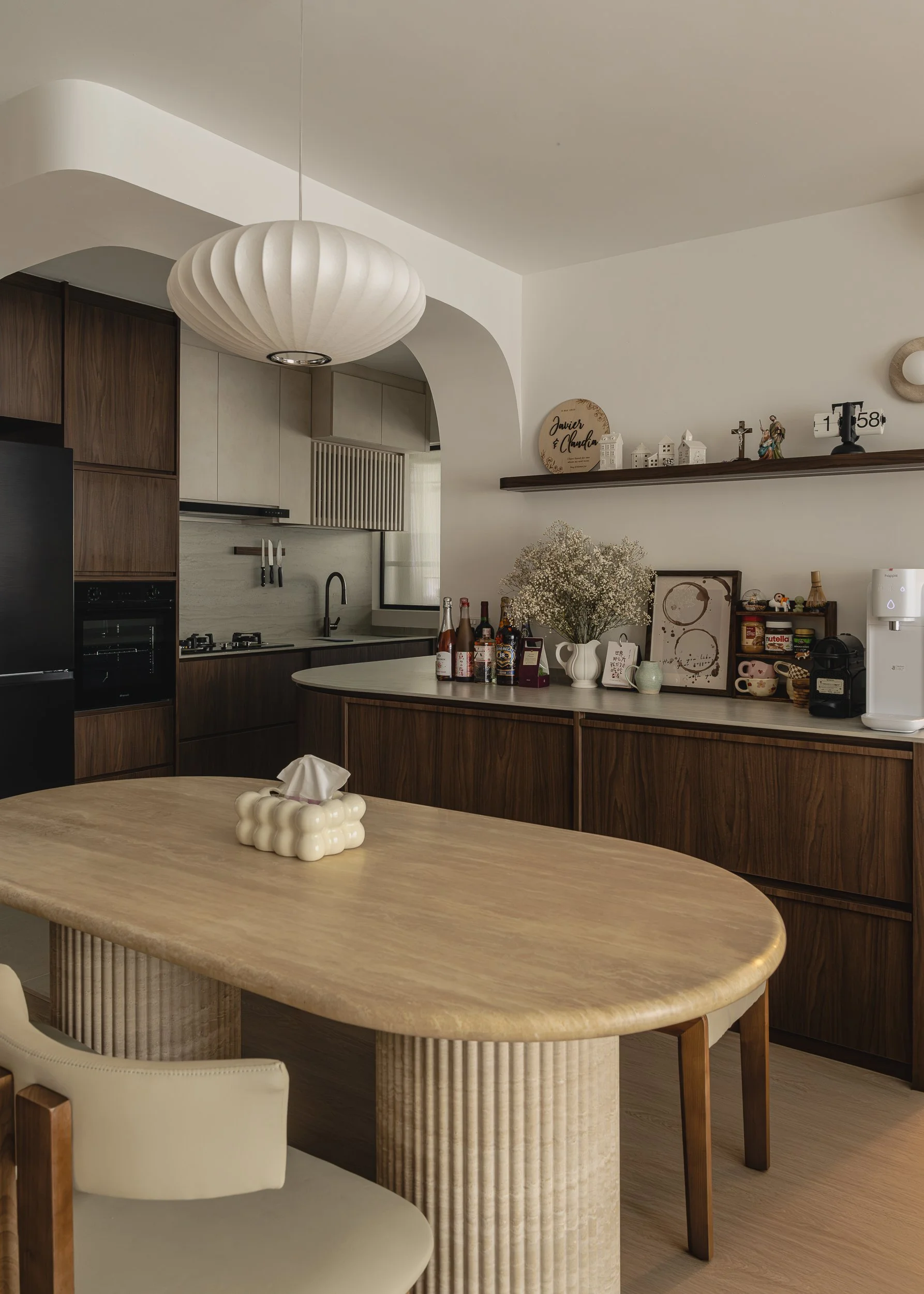
4 room BTO mid century modern interior design by Couple Abode.
MCM designs thrive in homes with ample natural light or open-plan living areas. To prevent dark teak or walnut furniture from visually shrinking a small BTO living room, elevate furniture off the floor using tapered peg legs. This exposes floor area underneath, creating an illusion of space while maintaining a warm retro aesthetic.
Blending Both Styles: The "Mid-Century Japandi" Hybrid
If you love the calming simplicity of Japanese interior design but want the rich character of Mid-Century furniture, combine both approaches:
Keep the Base Neutral: Use light microcement or light wood flooring with neutral off-white walls.
Anchor with MCM Furniture: Introduce a single rich teak dining table or a vintage leather lounge chair as the focal point.
Keep Carpentry Minimal: Utilize frameless, push-to-open built-in storage in the living room and kitchen to maintain clean Japanese minimalism against your vintage accent pieces.
-
Genuine vintage solid teak and walnut require periodic oiling to prevent drying. For low maintenance, Lemonfridge Studio recommends high-grade wood veneers or engineered timber treated with moisture-resistant lacquers that withstand Singapore’s humidity.
-
Both can be customized to your budget. Japan Minimalist often requires higher upfront carpentry investments for sleek built-in storage, whereas Mid-Century Modern costs depend more on loose furniture and iconic light fixture selections.
